Introduction
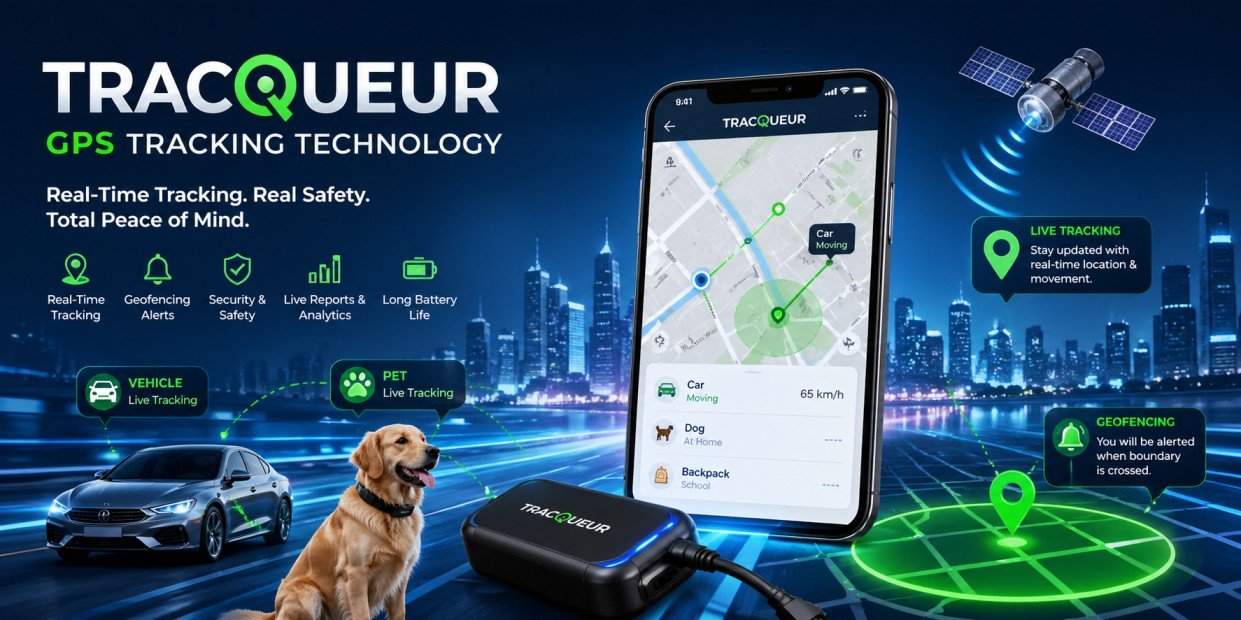
Tracqueur represents a modern evolution in location awareness technology, encompassing devices and platforms that monitor the position and movement of people, vehicles, pets, assets, and objects with remarkable precision. Derived from the French term for “tracker,” it has become synonymous with advanced digital tracking solutions that blend satellite positioning, cellular connectivity, and smart sensors to deliver actionable insights in real time. As daily life grows more mobile and interconnected, Tracqueur technology addresses critical needs for safety, efficiency, and security across personal and professional spheres, transforming how individuals and organizations stay informed about what matters most.
Quick Overview of Tracqueur Technology
| Aspect | Details |
|---|---|
| Core Function | Real-time location monitoring via GPS and networks |
| Key Components | GPS receiver, GSM/cellular module, sensors |
| Common Applications | Vehicles, personal safety, pets, assets |
| Primary Benefits | Enhanced security, efficiency, peace of mind |
| Emerging Features | Geofencing, AI analytics, IoT integration |
Understanding Tracqueur Meaning in Today’s Context
The term Tracqueur broadly refers to any system or device engineered to follow and report location data or movement patterns. In contemporary usage, it extends beyond simple positioning to include comprehensive monitoring solutions that process environmental data, activity levels, and historical logs. This technology has roots in traditional navigation but has advanced significantly with the proliferation of compact electronics and ubiquitous wireless networks. Unlike basic navigation tools, a Tracqueur emphasizes continuous oversight and alert mechanisms, making it invaluable for scenarios where timely information prevents loss or harm. Its adoption reflects a broader societal shift toward data-informed decision-making in an increasingly dynamic world.
How Tracqueur Works Through Core Technologies
At its foundation, Tracqueur relies on the Global Positioning System (GPS), a network of satellites orbiting Earth that transmit precise timing and orbital data. The device receives these signals and calculates its position using trilateration, measuring the time delay of signals from at least four satellites to determine latitude, longitude, altitude, and time with accuracy often within a few meters. This satellite-based positioning is then augmented by GSM and cellular networks, which transmit the computed location data to a central server or directly to a user’s mobile app or dashboard.
In areas with weak satellite signals, such as urban canyons or indoors, supplementary technologies like Wi-Fi positioning or inertial sensors help maintain continuity. Modern systems process this information rapidly, enabling near-instant updates. The integration of these elements creates a seamless pipeline from signal acquisition to user notification, ensuring reliable performance even under challenging conditions.
The Role of Geofencing Alerts in Tracqueur Systems
One of the most practical innovations in Tracqueur technology is geofencing, which establishes virtual boundaries around specific geographic areas using GPS coordinates. When a tracked item or person enters or exits these predefined zones, the system automatically triggers alerts via push notifications, SMS, or email. This feature proves especially useful for parents monitoring children’s school commutes, businesses securing delivery routes, or pet owners ensuring animals remain within safe perimeters.
Geofencing operates passively in the background, conserving battery while providing proactive security. Recent enhancements allow multiple overlapping zones with time-based rules, such as stricter alerts during nighttime hours, adding layers of customization that align with individual routines or operational needs.
Security and Theft Prevention with Tracqueur Applications
Tracqueur devices excel in theft deterrence and recovery by offering immediate location visibility. For vehicles, discreetly installed units can detect unauthorized movement and send instant warnings, often paired with remote ignition disable features in advanced models. Law enforcement agencies frequently collaborate with such systems to recover stolen assets quickly, reducing financial losses and downtime.
Beyond vehicles, Tracqueur technology safeguards high-value equipment, cargo, and personal belongings. In logistics, it monitors shipments in transit, flagging deviations that might indicate tampering or diversion. These capabilities contribute to lower insurance premiums for users who demonstrate proactive risk management through documented tracking data.
Family Safety Monitoring Powered by Tracqueur
For families, Tracqueur serves as a vital layer of protection, particularly for children, elderly relatives, or individuals with cognitive impairments. Wearable or portable devices allow caregivers to verify locations during outings, school activities, or medical appointments without intrusive check-ins. Real-time updates combined with SOS buttons enable swift responses in emergencies, such as wandering incidents or unexpected detours.
Parents appreciate the ability to confirm safe arrivals at destinations, while adult children use similar tools to support aging parents living independently. This application emphasizes empowerment through information rather than constant surveillance, fostering greater independence alongside reassurance.
Business Fleet Management and Logistics Tracking via Tracqueur
In commercial settings, Tracqueur transforms fleet operations by providing end-to-end visibility into vehicle movements, driver behavior, and route efficiency. Managers monitor speed, idling times, and harsh braking events to promote safer driving habits and reduce maintenance costs. Optimized routing based on live traffic data minimizes fuel consumption and improves delivery schedules, directly impacting profitability.
For logistics and delivery services, Tracqueur ensures accurate ETAs, verifies proof of delivery through geofence confirmations, and protects against cargo theft. Integration with inventory systems further streamlines supply chains, allowing businesses to respond dynamically to disruptions like road closures or demand spikes.
Key Benefits of Tracqueur Technology for Users
The advantages of adopting Tracqueur extend across multiple dimensions. Real-time tracking features deliver up-to-the-minute location data, historical playback, and speed reports accessible from any smartphone or computer. Users gain enhanced situational awareness that translates into time savings, cost reductions, and improved decision-making.
Additional perks include better resource allocation in fleets, reduced anxiety in personal safety scenarios, and data-driven insights for preventive maintenance. Many systems now incorporate battery optimization algorithms and multi-network fallback, ensuring functionality even during outages or travel in remote regions.
Privacy and Ethical Concerns Surrounding Tracking Devices
While Tracqueur offers clear benefits, it also raises important questions about data privacy and consent. Continuous location monitoring generates detailed behavioral profiles that, if mishandled, could lead to unauthorized surveillance or data breaches. Ethical deployment requires transparent policies on data collection, storage duration, and sharing practices, with users retaining control over permissions.
Regulations in various regions emphasize purpose limitation and user rights to access or delete their information. Responsible manufacturers address these issues through encryption, anonymization options, and audit logs, balancing utility with respect for individual autonomy. Ongoing dialogue between technology providers, regulators, and users helps establish best practices that prevent misuse while preserving the technology’s protective value.
Limitations of Tracking Devices and Practical Considerations
Despite technological strides, Tracqueur systems face inherent constraints. GPS accuracy diminishes in dense urban environments, tunnels, or heavy foliage, sometimes requiring supplementary signals for reliable fixes. Battery life remains a challenge for compact personal devices, though improvements in low-power modes and solar-assisted charging are extending operational periods.
Signal jamming or spoofing poses security risks in high-threat scenarios, and subscription fees for cellular data can accumulate. Users must also account for potential device tampering or loss, underscoring the need for redundant features like tamper alerts and backup power sources. Awareness of these limitations encourages realistic expectations and complementary safety strategies.
The Future of Tracking Technology with AI and IoT Integration
Looking ahead, Tracqueur is evolving through deeper AI and smart tracking systems that predict patterns, detect anomalies, and automate responses. Machine learning algorithms analyze movement data to identify unusual behavior, such as sudden route changes, and trigger preemptive alerts. IoT integration connects tracking devices with broader ecosystems, including smart home hubs or vehicle telematics, creating unified platforms for comprehensive monitoring.
By 2025 and beyond, advancements in 5G and edge computing promise lower latency and higher reliability, enabling applications like predictive maintenance for assets or real-time coordination in emergency services. These developments position Tracqueur as a cornerstone of intelligent infrastructure rather than a standalone tool.
Smart City Applications Leveraging Tracqueur Technology
Urban planners increasingly incorporate Tracqueur principles into smart city frameworks to optimize traffic flow, enhance public safety, and manage resources efficiently. Connected sensors and vehicle tracking contribute to dynamic traffic signal adjustments, reducing congestion and emissions. Public transit systems use similar technology for accurate arrival predictions and fleet scheduling.
In emergency response, aggregated anonymized data helps authorities allocate resources more effectively during incidents. As cities expand IoT networks, Tracqueur supports sustainable initiatives like waste collection route optimization and environmental monitoring, contributing to greener, more responsive urban environments.
Tracqueur Gear Overview for Various Needs
Tracqueur gear comes in diverse forms tailored to specific uses. Vehicle-installed units often feature rugged construction with OBD-II connectivity for seamless integration. Personal safety devices include discreet wearables or keychain attachments with long battery life and emergency communication capabilities. Pet trackers attach comfortably to collars, incorporating activity monitoring alongside location services.
Asset and object trackers prioritize compactness and magnetic mounting for easy concealment on equipment or luggage. Outdoor-oriented models emphasize durability against weather extremes and may include satellite communication backups for off-grid adventures. Selection depends on factors like size, power requirements, and desired alert sophistication.
Outdoor Adventure Use and Everyday Safety Applications
Enthusiasts of hiking, camping, or backcountry exploration rely on Tracqueur devices for reliable navigation and emergency location sharing. These tools provide waypoint recording, breadcrumb trails, and SOS messaging that can connect with rescue services even in remote areas lacking cellular coverage. Families use them during group outings to maintain contact without disrupting the experience.
In daily life, Tracqueur supports routine safety by tracking commutes, verifying deliveries, or monitoring valuable items like bicycles and laptops. Integration with mobile platforms allows quick sharing of locations with trusted contacts, adding convenience to activities ranging from solo travel to coordinating family schedules.
User Testimonials and Real Use Cases Demonstrating Impact
Numerous accounts highlight the practical value of Tracqueur in everyday situations. Fleet operators report significant reductions in fuel costs and idle time after implementing route optimization and behavior monitoring, with some noting up to 25 percent efficiency gains in delivery operations. Parents describe how geofencing alerts provided timely reassurance during children’s independent travel, while pet owners credit the technology with swift recoveries after escapes.
In one documented case, a tracking device aided rescue teams in locating skiers faster than traditional methods, potentially preventing prolonged exposure in harsh conditions. Business users frequently mention improved accountability and faster theft recovery, underscoring the technology’s role in both prevention and resolution.
Why Tracqueur Is Important Today
In an era of heightened mobility and connectivity risks, Tracqueur technology delivers essential oversight that enhances security without sacrificing freedom. It empowers individuals to protect loved ones and belongings while enabling businesses to operate more responsibly and efficiently. As threats like vehicle theft and personal safety concerns persist, and as supply chains grow more complex, the ability to monitor in real time becomes indispensable.
Moreover, Tracqueur supports broader societal goals around sustainability and smart infrastructure. Its responsible use, guided by privacy safeguards and ethical considerations, ensures that the benefits of location awareness contribute positively to daily life and future innovations.
In conclusion, Tracqueur stands as a versatile and evolving solution that bridges the gap between uncertainty and informed action. By harnessing GPS precision, network connectivity, and intelligent features, it addresses diverse challenges in safety, logistics, and asset management. Continued advancements in AI, IoT, and connectivity promise even greater capabilities, making this technology increasingly relevant for navigating the complexities of modern existence. Embracing Tracqueur thoughtfully allows users to gain confidence and control in an unpredictable world.
FAQs
What does the term Tracqueur primarily mean?
Tracqueur refers to devices or systems that track and report real-time location and movement data using GPS and cellular networks for various safety and efficiency purposes.
How accurate is real-time tracking in Tracqueur devices?
Most Tracqueur systems provide location accuracy within a few meters under good conditions, though urban interference or signal loss can temporarily affect precision.
Can Tracqueur technology help prevent vehicle theft?
Yes, through instant alerts, geofencing, and recovery features, Tracqueur enables quick response and higher chances of retrieving stolen vehicles or assets.
Are there privacy risks associated with using Tracqueur?
Potential risks exist if data is mishandled, but reputable systems include encryption and user controls to protect personal information and ensure ethical use.
What future developments are expected in Tracqueur technology?
Integration with AI for predictive analytics, enhanced IoT connectivity, and broader smart city applications will likely expand capabilities and reliability in coming years.