Introduction To Graham Quinn
Graham Quinn is a British public figure who became widely known due to his association with media personality Myleene Klass, as well as public interest in his private life, family journey, and media discussions surrounding his separation. Over time, he has also been linked with professional environments that include security-related work and corporate settings, although much of his life remains outside the public record. His story is often discussed in the context of personal relationships, fatherhood, and how private individuals become part of public narratives through high-profile connections.
Graham Quinn Quick Bio
| Category | Details |
|---|---|
| Full Name | Graham Quinn |
| Nationality | British |
| Known For | Relationship with Myleene Klass |
| Profession | Security and private-sector background |
| Children | Two daughters, Ava and Hero |
| Public Attention | Media coverage of family and personal life |
| Lifestyle | Private and low-profile |
Graham Quinn Early Life and Background
Very limited verified information is publicly available about his early upbringing, education, and family background. Before entering public attention, he lived a relatively private life away from media influence. His early years are not widely documented, which is common for individuals who later become known through personal relationships rather than public careers.
As interest in him increased, curiosity about his background also grew, but he has consistently maintained privacy regarding personal history. This has contributed to a situation where most public narratives focus on later life events rather than formative experiences.
Professional Career Overview in Graham Quinn
He is generally associated with roles in structured work environments, particularly in security-related positions. Such work typically involves discipline, responsibility, and operational tasks that support private or corporate clients.
Over time, he is believed to have also been exposed to broader business environments, although detailed and officially verified career records are not publicly available. Unlike high-profile executives or public corporate leaders, his professional journey has remained largely outside media documentation.
This lack of formal public records has led to speculation in some discussions, but confirmed details remain limited. His career is best understood as private-sector based, with practical operational experience rather than public-facing leadership roles.
Work Environment and Business Associations
In media commentary and public discussions, his name occasionally appears in connection with business and corporate settings. These references often relate to general professional environments rather than clearly documented executive positions.
His background reflects a type of career path that operates behind the scenes, where responsibilities are important but not publicly visible. This has contributed to confusion in some reports, as private-sector roles are often misinterpreted when viewed through a celebrity-focused lens.
Despite occasional associations with broader industries, there is no consistent public record placing him in senior leadership roles within major corporations.
Public Attention Through Personal Relationship
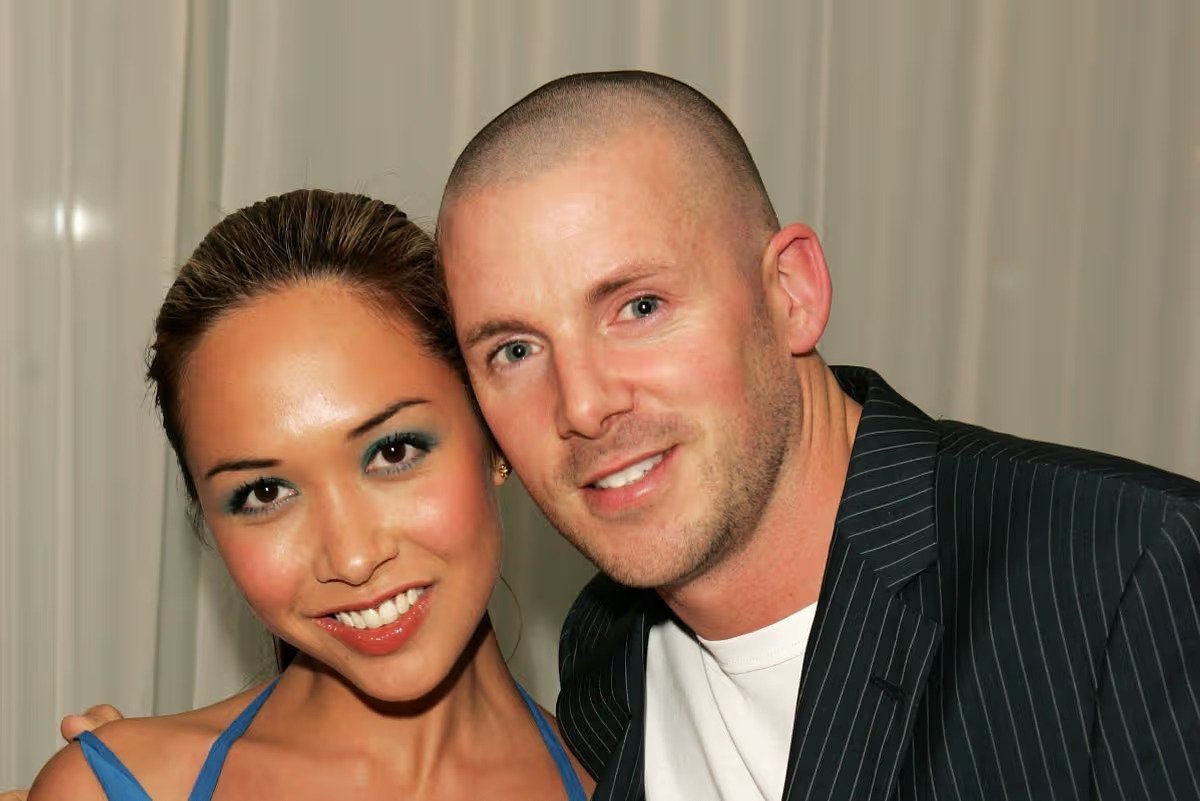
A significant shift in public visibility occurred when he entered a relationship with television and music personality Myleene Klass. This connection brought him into mainstream media attention for the first time.
The relationship was widely covered in entertainment media due to her public profile, and his name began appearing in celebrity reporting. This is often the point where private individuals become subjects of public interest, even if they had no prior media presence.
The attention was less about his professional background and more focused on the personal dynamics of the relationship itself.
Marriage and Family Life
He later married Myleene Klass, and together they built a family life that included two daughters. During this period, he maintained a relatively private role while family life occasionally appeared in media coverage due to her public career.
Their relationship was often described in the context of balancing public fame and private family responsibilities. Despite media interest, much of their day-to-day family life remained private.
Over time, family responsibilities and public attention created a complex environment that eventually led to separation.
Separation and Media Coverage
The separation between the couple became a widely discussed topic in entertainment media. His name was frequently mentioned in coverage related to the breakdown of the marriage and its emotional impact on both individuals.
As with many public separations involving celebrities, media narratives varied, often focusing on speculation rather than verified details. He himself remained mostly private during this period and did not engage heavily in public commentary.
It is important to note that many reported details in media coverage reflect interpretations rather than confirmed statements from the individuals involved.
Children and Co-Parenting
He is the father of two daughters, and fatherhood remains a central part of his personal identity. Following the separation, co-parenting became an important aspect of family life.
Like many separated parents, arrangements regarding time, access, and responsibilities required adjustment. These matters are typically private and handled within family and legal frameworks rather than public discussion.
Despite media attention, his role as a father continues to be a consistent part of his life.
Life After Separation
After the separation, he gradually moved away from public visibility. He did not maintain an active presence in media or entertainment reporting and instead focused on a more private lifestyle.
This transition is common for individuals who gain public attention through relationships rather than professional media careers. Over time, public interest shifted away, although occasional references still appear in media discussions.
His life after separation reflects a preference for privacy and reduced public engagement.
Public Image and Privacy
His public image is largely shaped by media coverage rather than self-representation. Because he does not actively participate in public interviews or media appearances, most perceptions are based on external reporting.
This creates a limited and sometimes incomplete picture, where personal details are often interpreted rather than directly communicated. He has maintained consistent privacy, avoiding public controversy or media confrontation.
As a result, his public identity remains relatively quiet compared to many individuals connected to celebrity culture.
Current Status and Lifestyle
In recent years, he has remained out of the public spotlight. There is little verified information about his current professional activities or personal relationships, which suggests a continued preference for privacy.
He is not known to maintain a public-facing career or media presence, and his life today appears centered on private matters and family connections.
Overall, his current lifestyle reflects stability away from public attention, with minimal engagement in entertainment or media environments.
Conclusion
Graham Quinn is a private individual who became publicly known due to his relationship with a well-known media personality. While his background includes private-sector professional experience, his public identity is largely shaped by personal life events rather than career achievements. Over time, he has chosen to step away from media attention and maintain a quiet, private lifestyle focused on family and personal matters. His story highlights how individuals can become part of public discussion through relationships, even when they themselves prefer to remain outside the spotlight.
FAQs About Graham Quinn
Why is he known in the media?
He became known mainly through his relationship and marriage with television personality Myleene Klass.
Does he work in the public sector?
No confirmed public records show public-sector roles; his background is mainly private-sector based.
How many children does he have?
He has two daughters, Ava and Hero, from his marriage.
Is he active in media today?
No, he maintains a private life and does not appear in media regularly.
What is his current lifestyle like?
He is believed to live a private and low-profile life focused on family and personal matters.